
The Importance of Regular Instrument Maintenance: Prolonging Lifespan and Ensuring Optimal Performance
Instrument maintenance refers to the systematic process of preserving and caring for various tools and devices to ensure their optimal functionality and longevity. The primary goals of instrument maintenance are twofold: to enhance the performance of the instruments and to prolong their lifespan. Different categories of instruments require specific types of maintenance protocols, highlighting the diversity of maintenance practices across various sectors.
12/23/20244 min read

Understanding Instrument Maintenance
Instrument maintenance refers to the systematic process of preserving and caring for various tools and devices to ensure their optimal functionality and longevity. The primary goals of instrument maintenance are twofold: to enhance the performance of the instruments and to prolong their lifespan. Different categories of instruments require specific types of maintenance protocols, highlighting the diversity of maintenance practices across various sectors.
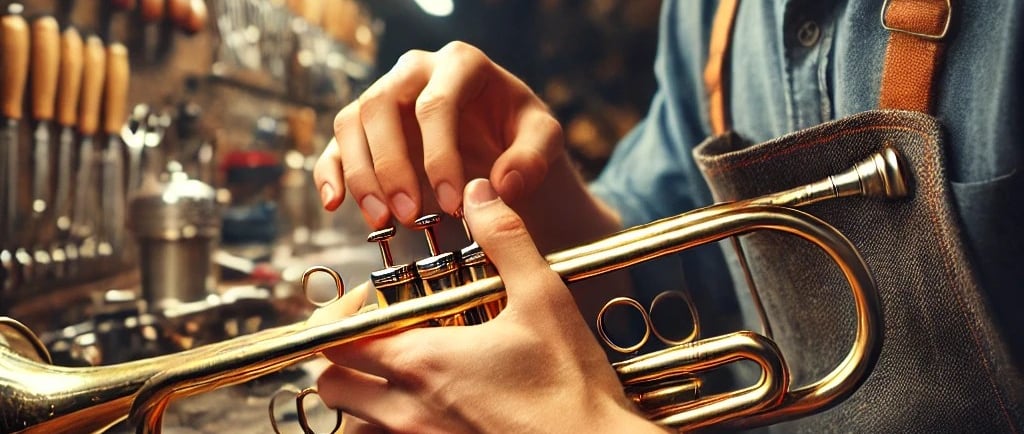
Musical instruments, including pianos, brass, woodwind, and string instruments, require regular maintenance to keep them in optimal playing condition. This includes tuning, cleaning, and sometimes more specialized care like the replacement of strings or pads. For instance, finer string instruments, such as violins, may need expert adjustments to maintain sound quality and playability.
Scientific equipment, such as microscopes, spectrophotometers, and centrifuges, also necessitate routine maintenance in scientific labs. These devices are critical for conducting accurate experiments and obtaining reliable results. Preventive maintenance is essential in this area to avoid equipment failures that could compromise research outcomes. Regular calibration, cleaning of optical components, and checks for wear on mechanical parts are all crucial for maintaining scientific instruments.
In industrial settings, tools and machinery ranging from handheld devices to large industrial machines require diligent upkeep. This type of maintenance effectively prevents malfunctions that can lead to costly downtime and safety hazards. The importance of preventive maintenance over reactive repairs cannot be overstated; regular inspections and maintenance activities can identify potential issues before they transform into severe problems, thus mitigating risks associated with instrument failure.
Benefits of Regular Maintenance
Regular maintenance of instruments plays a crucial role in not only prolonging their lifespan but also ensuring optimal performance. Instruments, whether they are musical, industrial, or scientific, experience wear and tear over time. By implementing a structured maintenance routine, users can significantly extend the operational life of their instruments. For example, a study conducted in a manufacturing setting revealed that organizations that adhered to scheduled maintenance saw an increase in the equipment lifespan by nearly 30%. This is largely due to the timely identification and rectification of minor issues before they escalate into major failures.
Moreover, maintaining instruments regularly enhances their performance and efficiency. When instruments are kept in good working order, they operate at peak performance levels. For instance, a well-calibrated scientific instrument will provide precise measurements, thereby leading to more reliable results. In contrast, an unmaintained instrument may yield inaccurate data, which could compromise research outcomes. Regular checks and tune-ups ensure that instruments remain aligned with their performance standards, ultimately resulting in a more productive environment.
Another notable benefit is the reduction of the risk of breakdowns. Instruments that undergo regular maintenance are less likely to suffer unexpected failures, which can lead to costly downtimes. According to industry reports, the cost of unplanned downtime can reach thousands of dollars per hour depending on the type of operation. Regular maintenance helps identify potential issues before they advance to a point requiring extensive repairs. This foresight not only mitigates risks but also contributes to overall safety in the working environment.
In the long run, the cost savings realized through regular maintenance are substantial. By investing in routine checks and upkeep, organizations can avoid the financial burden associated with emergency repairs and replacements. Overall, the strategic commitment to regular instrument maintenance yields numerous benefits that enhance performance, longevity, and cost-effectiveness.
Common Maintenance Practices
Regular maintenance is vital for ensuring that instruments perform at their best and remain durable over time. Different types of instruments, whether they are musical, medical, or engineering, have specific maintenance requirements that help preserve their functionality and lifespan. A common practice across most instruments involves routine cleaning, which prevents the accumulation of dirt and grime that may hinder performance.
Tuning is another essential aspect of maintenance, especially in musical instruments. Regular tuning ensures that instruments produce the correct pitch and harmonics. Depending on how frequently an instrument is used, tuning can be needed daily, weekly, or monthly. For example, string instruments like violins may require more frequent tuning compared to woodwind instruments, which may hold their tuning longer when properly maintained.
Calibration is critical for precision instruments, such as medical devices and scientific equipment. This procedure involves adjusting the instrument to maintain accuracy in its functionality. Calibration should be performed regularly, and the frequency can depend on the instrument's use and manufacturer's recommendations. It is also crucial for the maintenance of instruments to undergo routine inspections to identify any wear and tear that could impact their performance.
Documenting the maintenance history of each instrument is an essential practice that should not be overlooked. Keeping records of when cleaning, tuning, calibration, and inspections have been performed helps to track an instrument's performance and maintenance needs over time. This documentation can also assist in identifying patterns, such as frequent issues or necessary upgrades, ultimately leading to improved care. By implementing these common maintenance practices, users can extend the lifespan of their instruments and ensure they deliver optimal performance consistently.
Finding a Reliable Maintenance Service
Securing a reliable maintenance service for your instruments is crucial for ensuring their longevity and optimal performance. The process begins with identifying technicians who possess significant experience in servicing your specific type of instrument. Experts who have spent years working with particular brands or models will likely have a deeper understanding of the quirks and needs associated with them. This experience can help prevent issues that stem from negligence or a lack of knowledge.
Another critical factor when selecting a maintenance service is looking for proper certifications. Many regions require technicians to pass specific exams or obtain licenses to practice maintenance and repairs. Certifications, such as those from recognized industry associations, can serve as indicators of a technician’s qualifications and adherence to professional standards. This assurance can give instrument owners the confidence that their equipment is in knowledgeable hands.
Seeking recommendations from peers or industry professionals can also aid in finding a reputable maintenance service. Word-of-mouth referrals often lead to discovering trustworthy technicians who have a proven track record of high-quality service. Additionally, reading online reviews or testimonials can provide insights into others' experiences, further guiding your decision-making process.
Understanding the terms of service contracts is equally important when evaluating potential maintenance providers. Clear contracts should outline the scope of services, pricing, and any guarantees or warranties offered. This transparency helps ensure that there will be no surprises when it comes to costs or the extent of the services provided. By carefully considering these criteria, instrument owners can make informed decisions, ensuring their equipment remains in top condition for years to come.